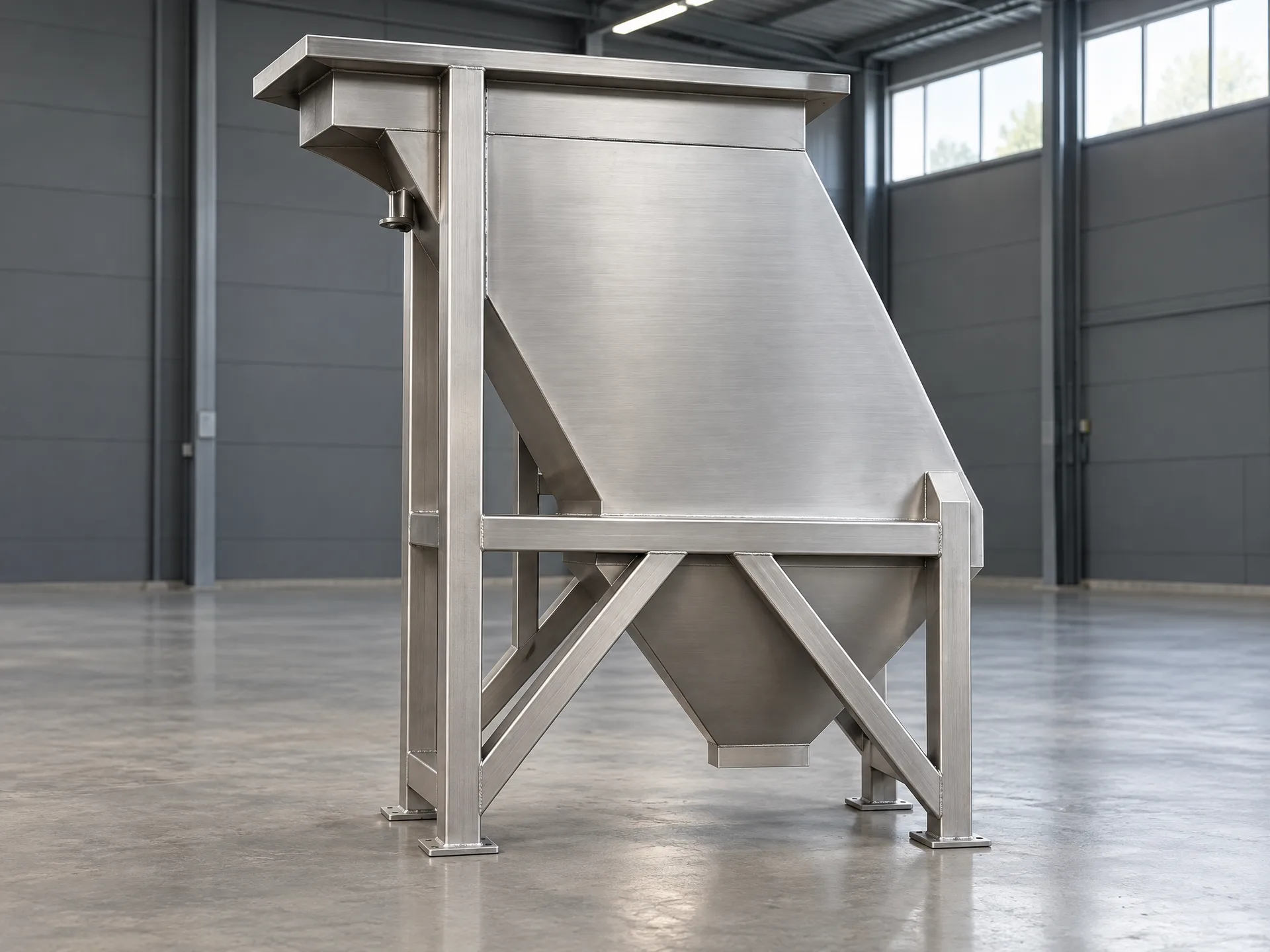
Sludge Buildup
Accumulation on Plates and in the Hopper
Sludge that does not clear from the plates or hopper progressively reduces capacity and effluent quality. The cause is usually inadequate removal or unfavourable plate geometry.
Understanding the Problem
Sludge should slide continuously down the inclined plates into the hopper and be removed on schedule. Buildup means either the sludge is not shedding or the hopper is not being emptied effectively.
Plate angle or spacing may be unsuited to sticky solids; the sludge system may be undersized or failing; or desludge frequency may simply be too low for the solids load.
Persistent buildup on the plates themselves points to fouling or too shallow an angle for the material.
Common Symptoms
- ›Sludge visible on plate surfaces
- ›Hopper filling faster than removed
- ›Falling capacity over time
- ›Rising effluent solids between cleans
Causes & Corrective Actions
Cause
Desludge frequency too low
Corrective Action
Increase frequency or automate on hopper level.
Cause
Plate angle too shallow for sticky solids
Corrective Action
Review geometry; steeper plates shed sludge better.
Cause
Sludge pump/scraper underperforming
Corrective Action
Service or upgrade; verify duty against solids mass loading.
Cause
Hopper bridging
Corrective Action
Improve hopper slope or add fluidisation.
Prevention
Related Pages
Still seeing the problem?
Send us your operating data and effluent results. Our process engineers will diagnose the issue and recommend a corrective plan.