Sludge Management
Solids handling
Reliable clarifier performance depends on getting settled solids out of the unit before they accumulate. Sound sludge management keeps the sludge blanket low and the effluent clear.
Sludge Management
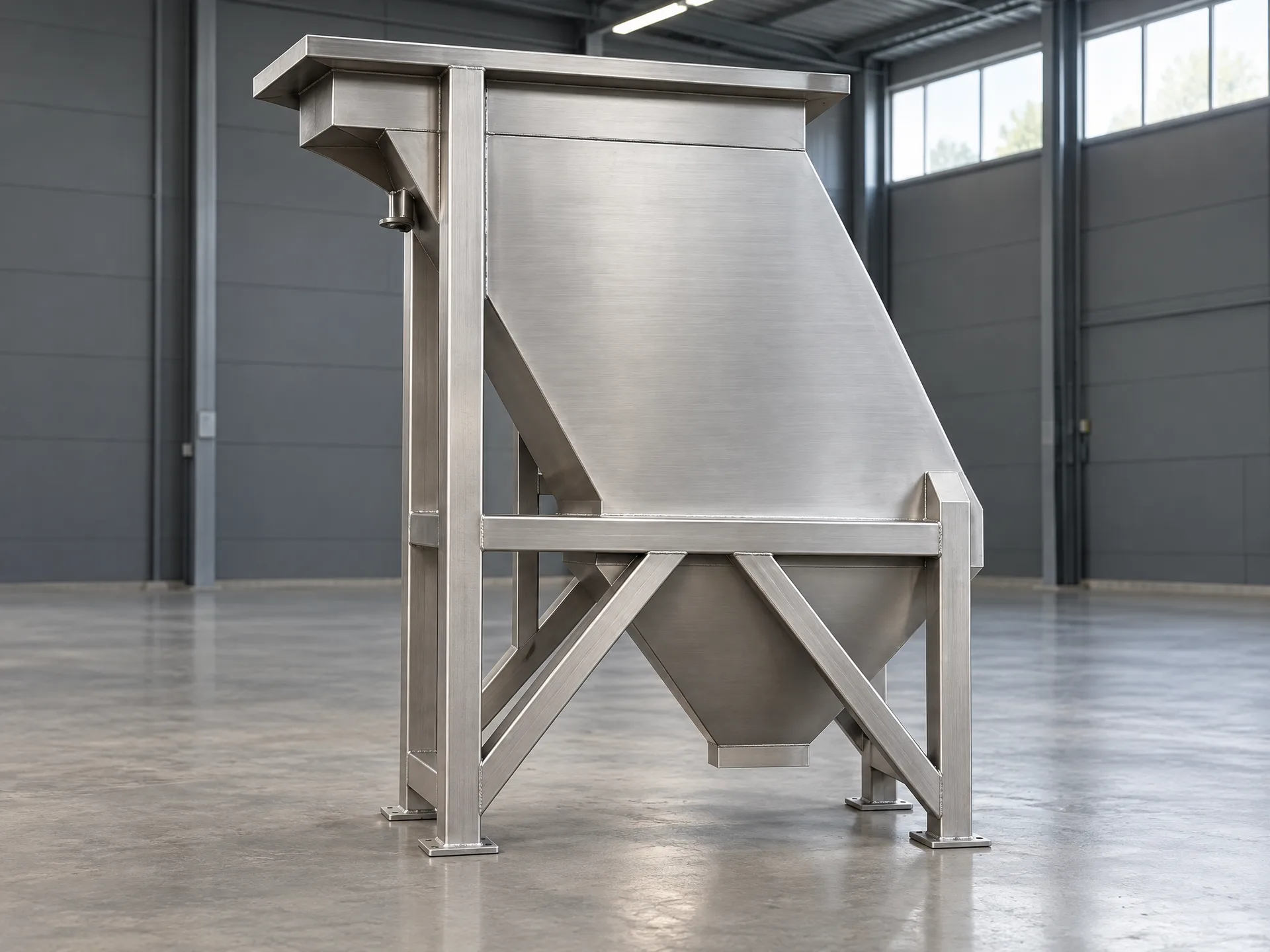
Solids that settle on the inclined plates slide down into the collection hopper below the plate pack. From there they must be withdrawn at a rate that matches the incoming solids load. If withdrawal is too slow, the hopper fills, the sludge blanket rises into the plate pack and solids begin to carry over into the effluent.
R+F plate settlers use steep hopper walls (typically 55–60°) so that settled sludge slides freely to the withdrawal point without bridging. For thickening or difficult sludges, options include picket-fence rakes, vibration assist or larger hopper geometry.
Withdrawal can be manual, timer-based or triggered by a sludge blanket level sensor. Automatic control matched to the actual solids load gives the most consistent effluent quality and avoids both over- and under-withdrawal.
Withdrawn sludge is typically routed to a thickener, dewatering unit, drying bed or further treatment. The plate settler itself achieves partial thickening — underflow solids concentrations of several percent are common depending on feed characteristics and coagulant dosing.
Recommended Frequency
Sludge Withdrawal Workflow
Monitor sludge blanket
Track the blanket level in the hopper with a sensor or manual dip. Keep it well below the base of the plate pack.
Set withdrawal frequency
Match withdrawal volume and frequency to the incoming solids load. Higher loads need more frequent withdrawal.
Withdraw to disposal
Route underflow to thickening, dewatering or downstream treatment. Avoid drawing excess water with the solids.
Verify effluent
Confirm effluent TSS stays within target after each cycle. Rising TSS signals the blanket is too high.
Need service or spare parts?
R+F supplies spare plate packs, replacement components and scheduled maintenance support for plate settler and lamella clarifier systems.