What Is a Plate Settler?
The Engineering Behind High-Rate Sedimentation
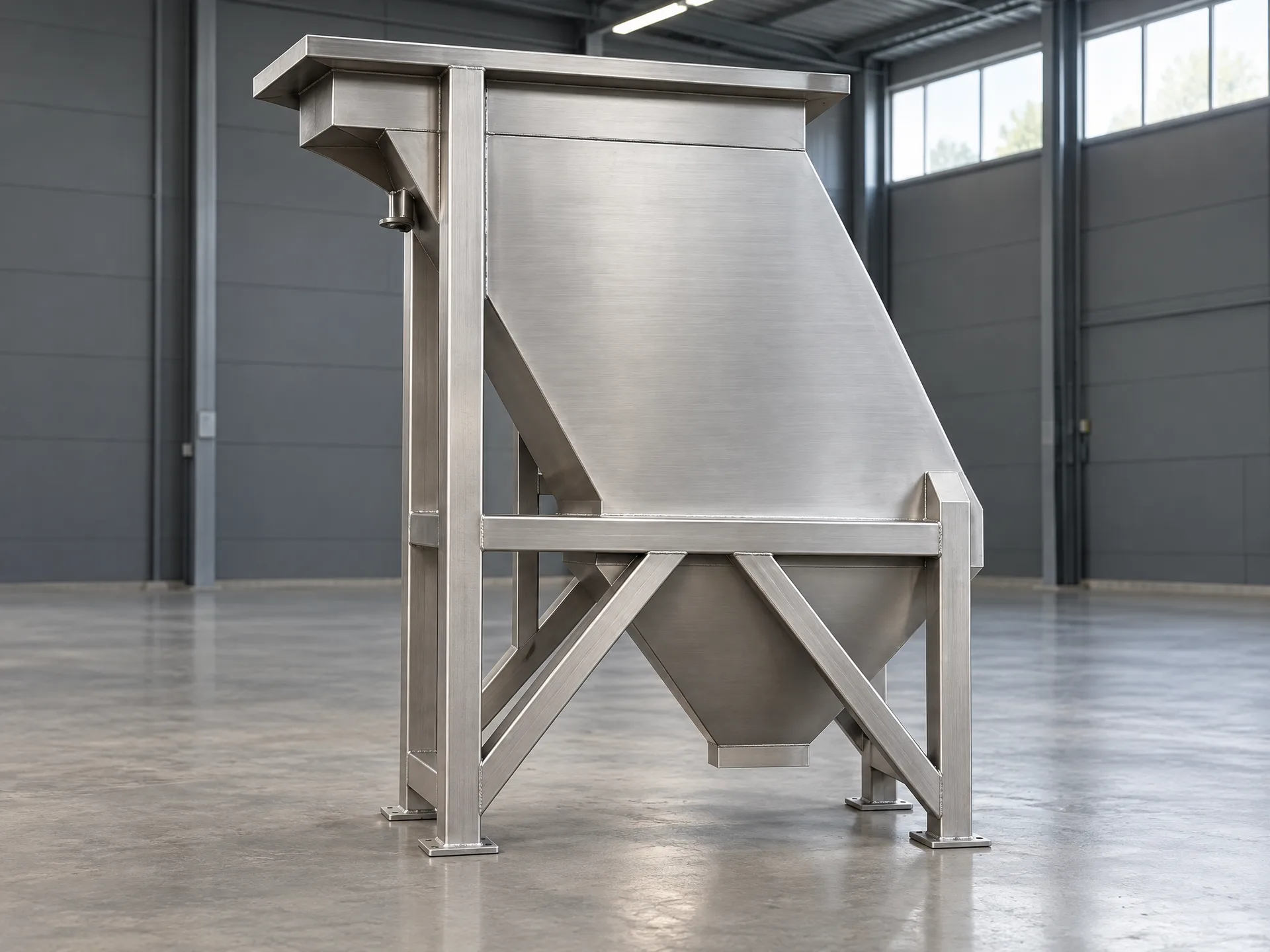
A plate settler — also known as an inclined plate settler, lamella clarifier, or plate clarifier — is a compact sedimentation device that uses inclined plates to dramatically increase the effective settling area within a small footprint.
Plate Settler Fundamentals
A plate settler consists of a series of inclined plates (typically at 55–60°) installed inside a sedimentation tank or clarifier. Suspended solids in the water settle onto the plate surfaces and slide down into a sludge collection hopper, while clarified water rises between the plates and exits through overflow weirs.
The key advantage is the dramatically increased effective settling area. According to the Boycott effect, inclined surfaces accelerate particle settling compared to vertical sedimentation. A plate settler can achieve the same clarification performance as a conventional clarifier in up to 80% less space.
Plate settlers are used in both water treatment and wastewater treatment across municipal and industrial applications. They are particularly effective for the removal of total suspended solids (TSS), turbidity, and chemically precipitated contaminants such as phosphorus and heavy metals.
Typical Design Parameters
Key Terminology
Inclined Plate Settler
The most technically accurate term. Refers to the inclined orientation of the settling plates.
Lamella Clarifier
Common in European and process engineering contexts. 'Lamella' refers to the thin, layered plate structure.
Plate Clarifier
A simplified term used interchangeably with plate settler in many industrial applications.
Lamella Settler
Used predominantly in Nordic and German-speaking markets for the same technology.
Parallel Plate Settler
Highlights the parallel arrangement of the inclined plates within the settling zone.
Tilted Plate Separator
Occasionally used in oil/water separation and mining applications.
Applications Overview
Municipal Wastewater
- • Primary and secondary clarification
- • Tertiary polishing and phosphorus removal
- • WWTP capacity upgrades without new tanks
- • Stormwater overflow treatment
Industrial Wastewater
- • Food & beverage process wastewater
- • Mining and mineral processing
- • Metal finishing and electroplating
- • Chemical and pharmaceutical effluent
Request an Engineering Assessment
Our engineers will review your application, flow rates, and water quality data to recommend the optimal plate settler configuration.