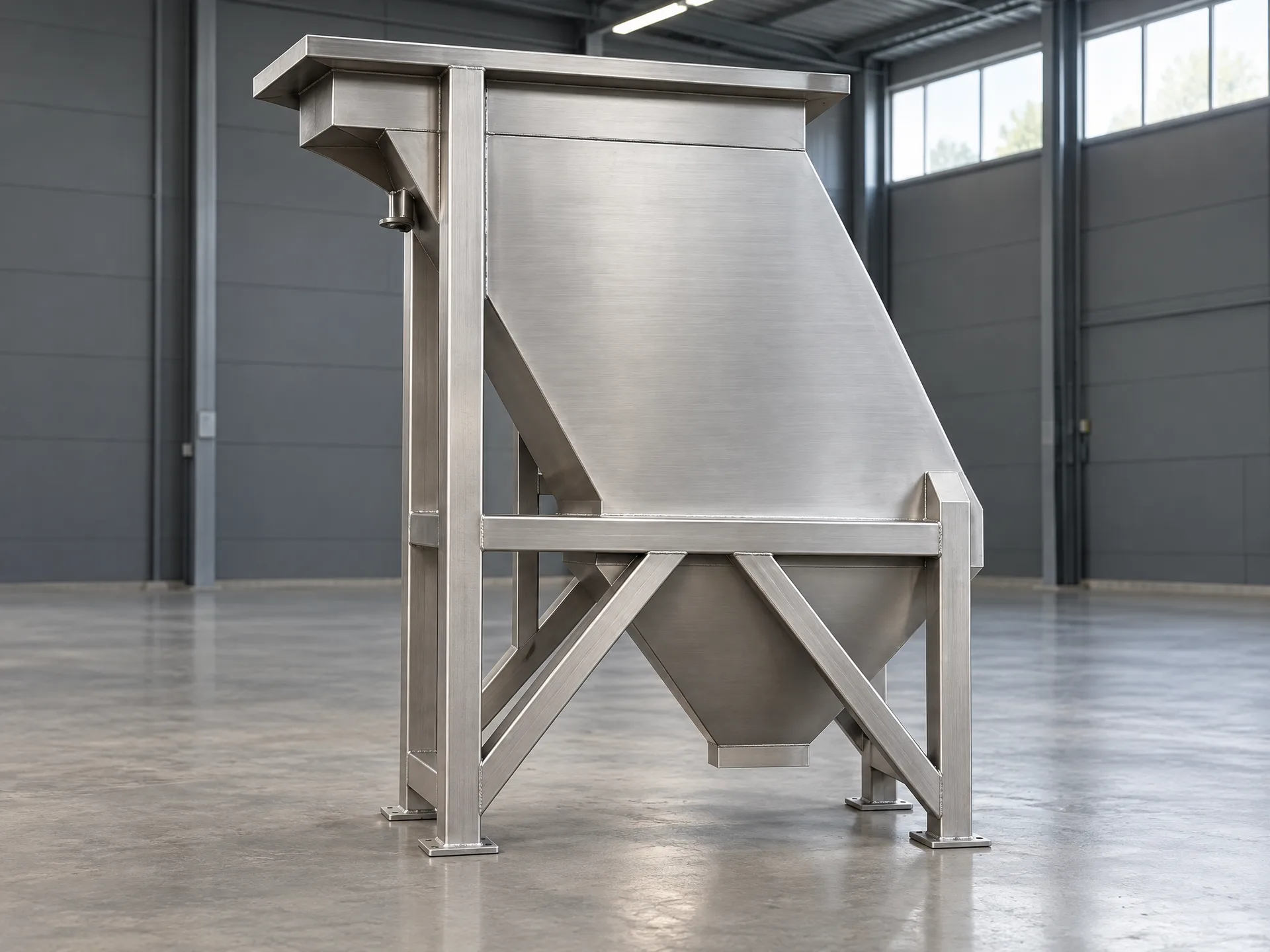
Plate Clogging
Blocked Channels Between Plates
Clogging blocks the narrow channels between plates, forcing flow through fewer paths and collapsing performance. It is driven by coarse material, sticky solids or too-close spacing.
Understanding the Problem
Plate channels are deliberately narrow to maximise area, which makes them vulnerable to blockage by oversized debris, fibrous material or heavy sticky sludge that will not slide out.
Missing upstream screening is a frequent cause — rags, grit and debris lodge in the pack. Too-close spacing for the solids type, or infrequent cleaning, also lead to clogging.
Once partially clogged, remaining channels overload and carry over solids, so clogging often presents alongside high effluent TSS.
Common Symptoms
- ›Rising level upstream of the pack
- ›Uneven flow — some channels dead
- ›Sudden drop in capacity
- ›Solids visibly packed between plates
Causes & Corrective Actions
Cause
Coarse debris / rags reaching the pack
Corrective Action
Install or repair upstream screening and grit removal.
Cause
Plate spacing too close for the solids
Corrective Action
Select wider spacing for heavy or fibrous solids.
Cause
Sticky sludge not shedding
Corrective Action
Steepen plate angle; adjust conditioning chemistry.
Cause
Infrequent cleaning
Corrective Action
Establish a scheduled plate-pack cleaning routine.
Prevention
Still seeing the problem?
Send us your operating data and effluent results. Our process engineers will diagnose the issue and recommend a corrective plan.