Frequently Asked Questions
Plate Settler & Clarifier FAQ
Answers to the questions engineers most often ask about plate settler design, operation, maintenance, cost and performance.
Design & Sizing
A plate settler (lamella clarifier) uses closely spaced inclined plates to multiply the effective settling area within a compact tank. Water flows up between the plates while solids settle onto the plate surfaces and slide down into a collection hopper. Because settling depends on projected (horizontal) area, stacking many inclined plates gives a very large settling area in a small footprint.
Sizing is based on the projected plate area required to keep the surface loading rate within the design range (typically 1.5–3.5 m/h). Divide the design flow by the target surface loading rate to get the required projected area, then select a plate pack and unit that provides it. Our sizing calculator gives a quick first estimate.
Most plate settler applications use a projected-area surface loading rate of 1.5–3.5 m/h. Lighter, slower-settling solids need the lower end of the range; well-flocculated, dense solids can use the higher end. A pilot trial confirms the right value for a specific water.
Plates are typically inclined at 55–60° so settled solids slide off freely, with 50–100 mm spacing between plates. Closer spacing gives more area but needs cleaner water; wider spacing suits higher solids loads.
Operation & Maintenance
Plate settlers have no rotating parts in the settling zone, so maintenance is light: routine inspection, periodic plate cleaning, and reliable sludge withdrawal. A structured inspection and cleaning routine keeps a unit at design performance for decades.
It depends on the water. Some units run for months between cleans; others with fouling or scaling tendencies need more frequent attention. Monitoring effluent quality is the best guide — a gradual rise in turbidity signals it is time to clean.
Settled solids slide down the inclined plates into a hopper and are withdrawn by gravity or pump. Withdrawal can be manual, timer-based or controlled by a sludge-blanket sensor. Matching withdrawal to the incoming solids load keeps the blanket low and the effluent clear.
Applications & Performance
With appropriate coagulation and flocculation, plate settlers routinely achieve 90–95%+ removal of suspended solids. Actual performance depends on particle characteristics, chemical conditioning and surface loading rate.
Plate settlers suit almost any solid–liquid separation duty: municipal water and wastewater, industrial effluent, food and beverage, metal finishing, mining, and stormwater or construction dewatering. They are especially valuable where footprint is limited.
Yes. For the same flow, a plate settler needs a fraction of the footprint of a conventional clarifier — often around 80% less. They can be installed as new units or retrofitted into existing tanks to increase capacity.
Materials & Commercial
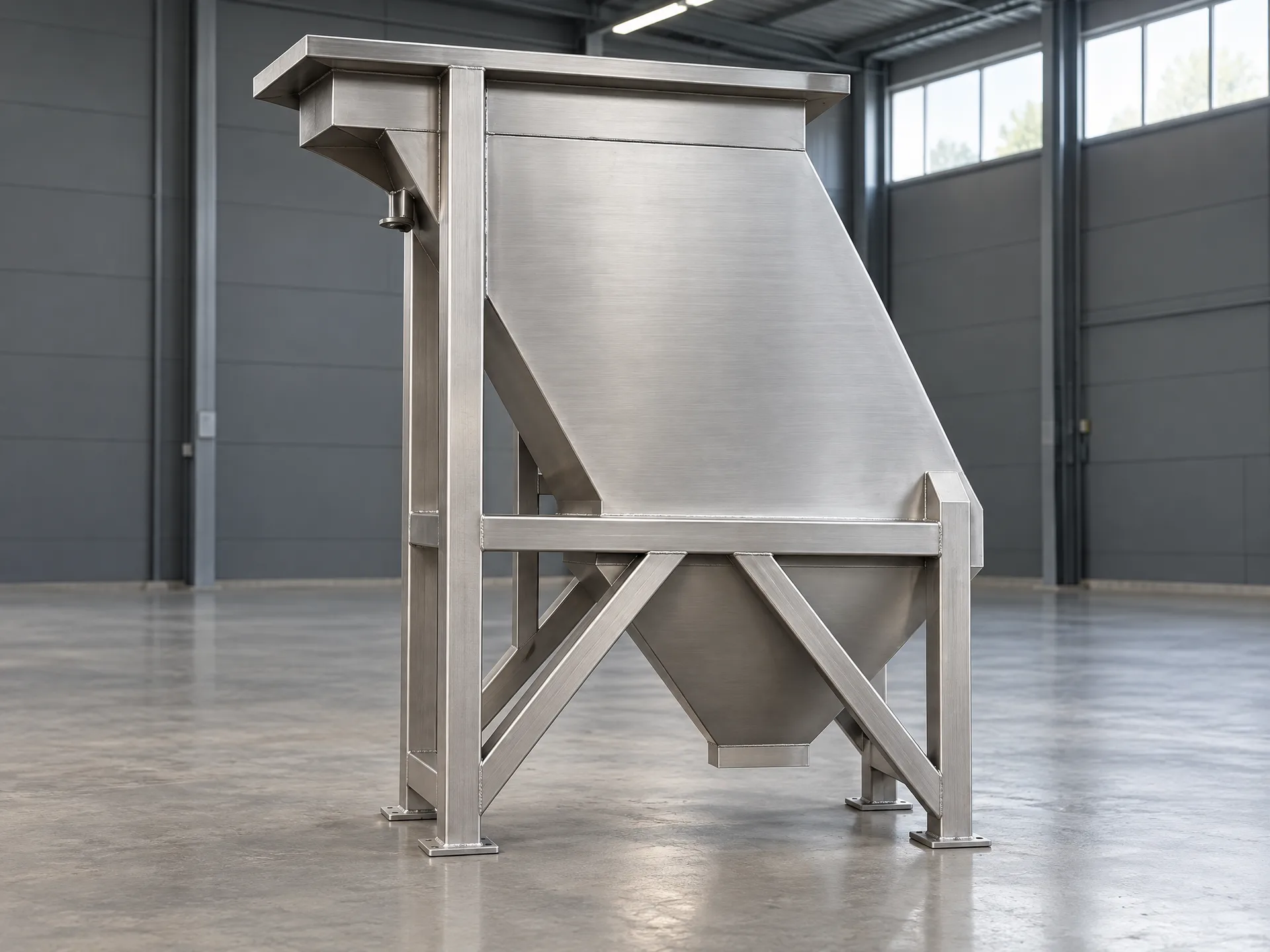
R+F plate settler and lamella systems are manufactured in stainless steel — SS 304 or SS 316L — for corrosion resistance, hygiene and long service life.
Yes. R+F offers rental plate settlers for temporary needs — plant outages, construction dewatering, emergency treatment or pilot evaluation — with the option to move to a permanent purchase later.
Yes. A PSP pilot unit can run on your actual water on site to confirm the achievable surface loading rate, chemical dose and effluent quality before you commit to a full-scale system.
Yes. R+F designs stainless steel lamella packs matched to an existing tank to increase its settling area and capacity, reusing the civil structure and minimising downtime.
Question not answered here?
Contact our engineers for application-specific guidance on plate settler and lamella clarifier systems.