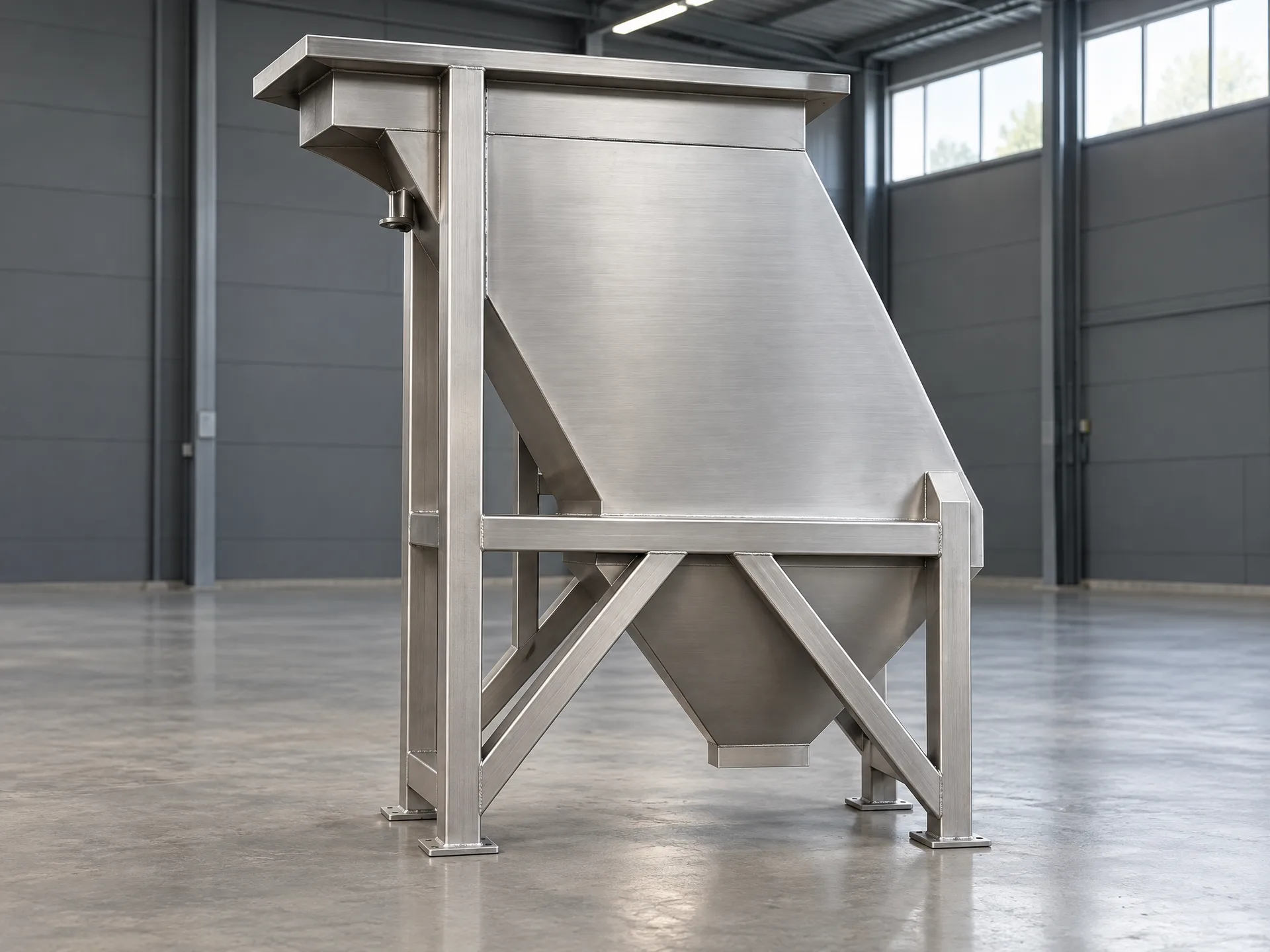
Excessive Sludge
More Sludge Than the System Was Sized For
When solids production exceeds the design basis, the sludge system cannot keep up and performance suffers. The cause is usually higher influent solids or chemical overdosing.
Understanding the Problem
Every plate settler is designed around an expected solids mass loading. If the influent TSS rises, or coagulant/flocculant dosing is excessive, the daily sludge mass can outstrip the hopper and removal system.
Overdosing is a common and correctable cause — it adds chemical sludge without improving clarification. Optimising dose reduces both cost and sludge volume.
Where the solids load has genuinely increased, the sludge handling (pump duty, hopper, desludge frequency) must be upgraded to match.
Common Symptoms
- ›Hopper filling very quickly
- ›Frequent desludging still not enough
- ›Rising blanket despite removal
- ›Higher chemical sludge volume
Causes & Corrective Actions
Cause
Higher influent TSS than design
Corrective Action
Re-rate the sludge system; add capacity or pre-treatment.
Cause
Chemical overdosing
Corrective Action
Optimise coagulant/flocculant dose via jar tests.
Cause
Undersized sludge handling
Corrective Action
Upgrade pump/hopper; increase desludge frequency.
Cause
Upstream process upset
Corrective Action
Investigate and stabilise the upstream source.
Prevention
Related Pages
Still seeing the problem?
Send us your operating data and effluent results. Our process engineers will diagnose the issue and recommend a corrective plan.