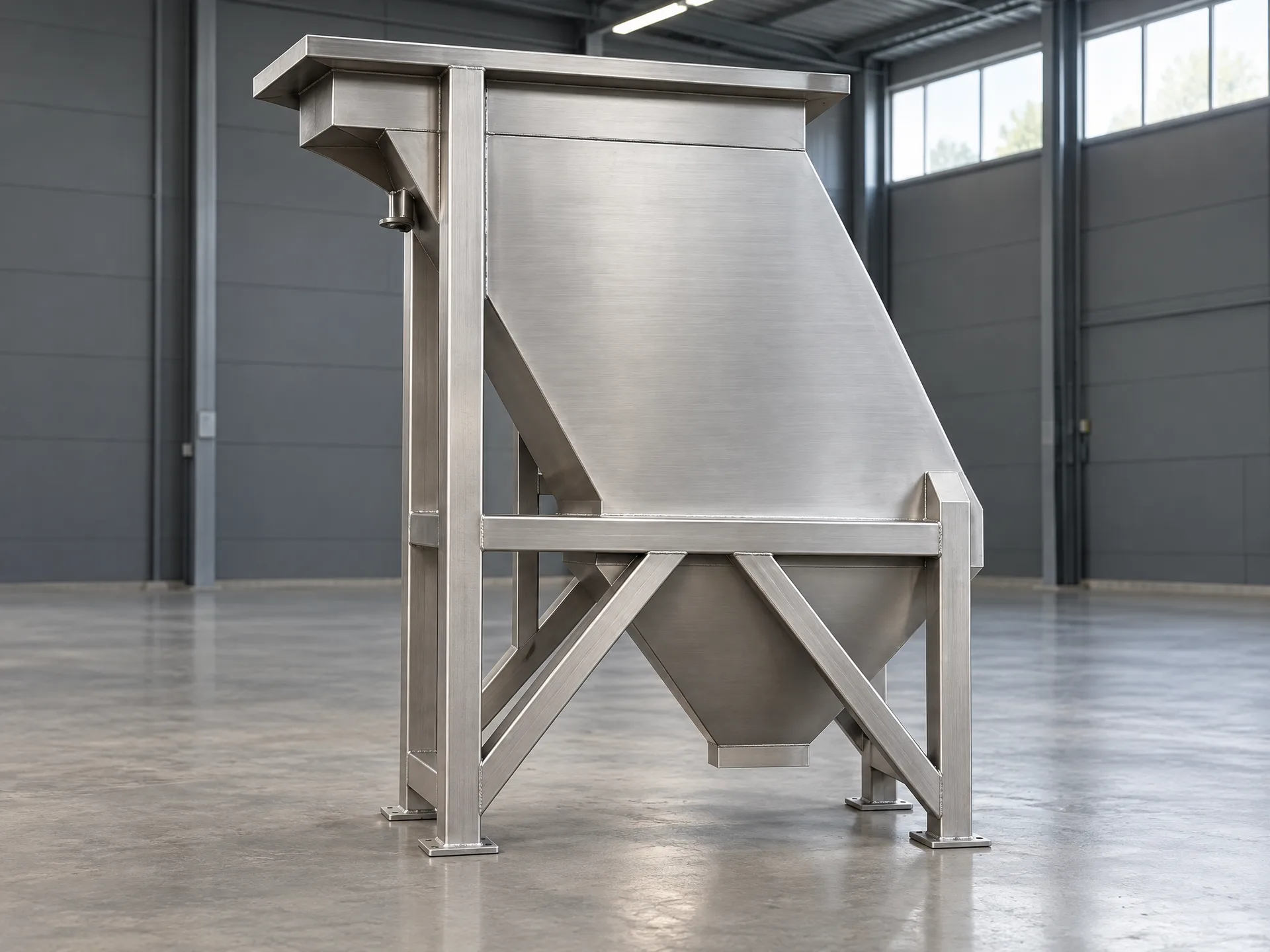
Inclined Plate Settler
High-Efficiency Sedimentation Through Inclined Plate Technology
The inclined plate settler is the core technology behind modern high-rate sedimentation. By orienting parallel plates at 55–60°, it maximizes settling efficiency in a minimal footprint.
How Inclined Plates Enhance Settling
The inclined plate settler works by providing a series of closely spaced, angled surfaces that dramatically reduce the effective settling depth. As water flows upward between the plates, suspended particles only need to travel the short distance to the nearest plate surface — rather than the full depth of a conventional clarifier.
Once particles contact a plate surface, they aggregate and slide downward under gravity into sludge collection hoppers. This self-cleaning mechanism reduces maintenance and ensures continuous operation.
The plate angle is critical: too steep (>65°) and settling efficiency drops; too shallow (<45°) and sludge will not slide off. The optimal range of 55–60° balances settling performance with reliable sludge removal.
Inclined Plate Settler Specifications
Design Considerations
Flow Distribution
Uniform inlet distribution is essential to prevent preferential flow paths and ensure all plates operate at design loading.
Sludge Removal
Hopper design must match sludge characteristics. High-solids applications may require mechanical scrapers or continuous pumping.
Chemical Pre-Treatment
Coagulation and flocculation upstream significantly improve removal efficiency, especially for colloidal particles.
Plate Pack Maintenance
Stainless steel plates resist fouling better than polymer alternatives. Periodic cleaning intervals depend on water quality.
Hydraulic Loading
Design surface loading rates must account for peak flow conditions and seasonal variations in influent quality.
Outlet Collection
Weir design and launders must be sized to prevent re-entrainment of settled solids during high-flow events.
Request an Engineering Assessment
Our engineers will review your application, flow rates, and water quality data to recommend the optimal plate settler configuration.