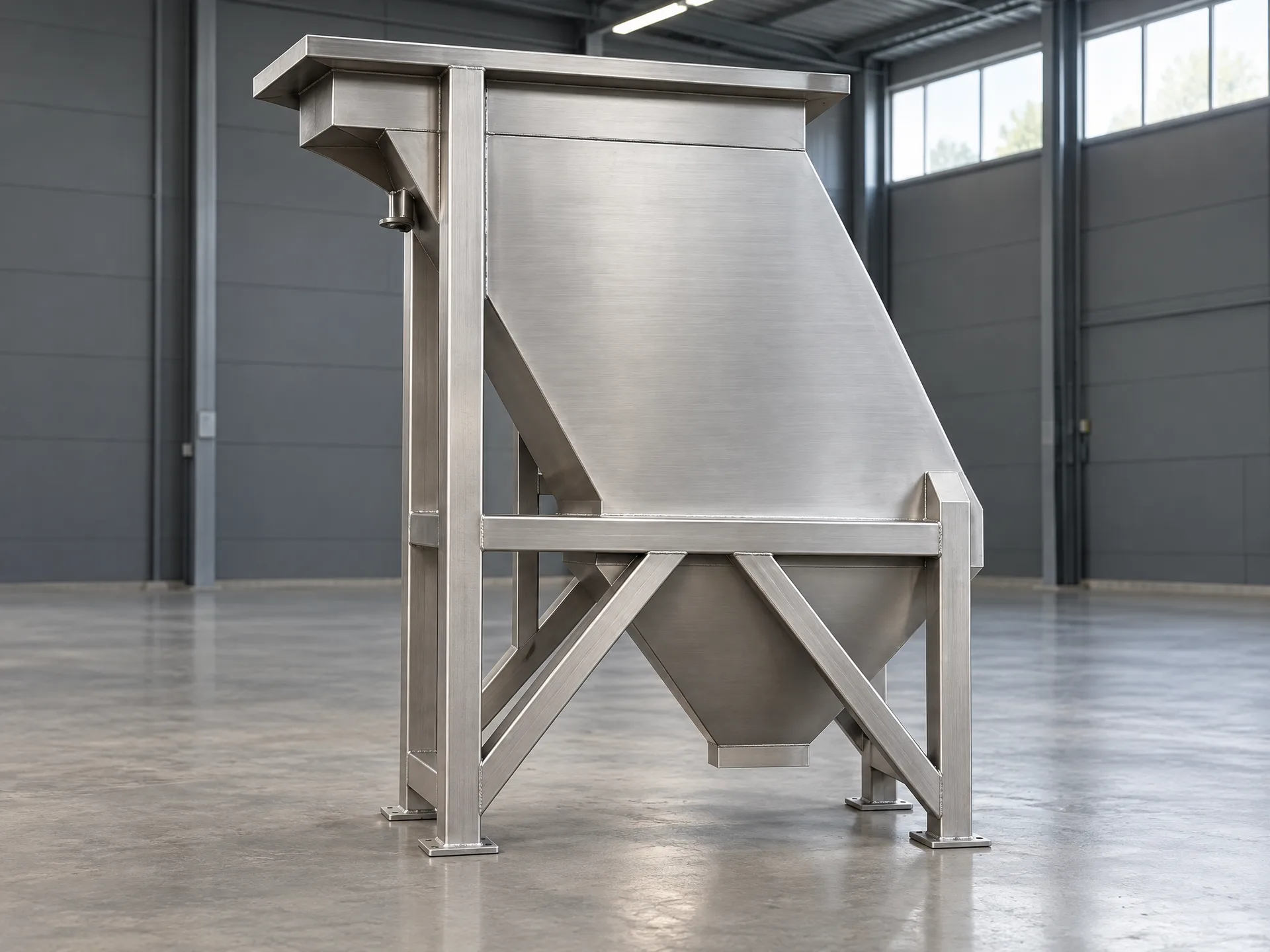
Inspection
Routine checks
Regular inspection catches fouling, uneven flow and mechanical wear before they degrade effluent quality. A short structured routine keeps a plate settler running at design performance.
Inspection
Inspection of a plate settler is largely visual and takes only a few minutes once a routine is established. The goal is to confirm that flow is evenly distributed, that plates are clean and correctly seated, and that solids are being withdrawn properly.
Daily checks focus on the overflow weirs and effluent clarity — an even, clear overflow across the full width indicates healthy operation. Uneven or turbid overflow points to distribution problems, fouling or a rising sludge blanket.
Periodic deeper inspections verify plate seating, coating or fouling on plate surfaces, hopper condition and the integrity of the feed and withdrawal systems. For stainless steel units, look for any debris lodged between plates and confirm there is no biological or scale buildup.
Keeping a simple inspection log makes trends visible — a slow rise in effluent turbidity or a gradual change in overflow pattern is far easier to act on when it is recorded over time.
Recommended Frequency
Inspection Checklist
Check effluent clarity
Observe overflow at the weirs. It should be clear and even across the full width of the unit.
Verify flow distribution
Confirm feed enters evenly and no channel is short-circuiting through the plate pack.
Inspect plate surfaces
Look for fouling, scaling or debris between plates. Note any discoloration or biological growth.
Check sludge withdrawal
Confirm the hopper is draining and the sludge blanket is below the plate pack.
Log findings
Record observations and any corrective action so trends can be tracked over time.
Need service or spare parts?
R+F supplies spare plate packs, replacement components and scheduled maintenance support for plate settler and lamella clarifier systems.