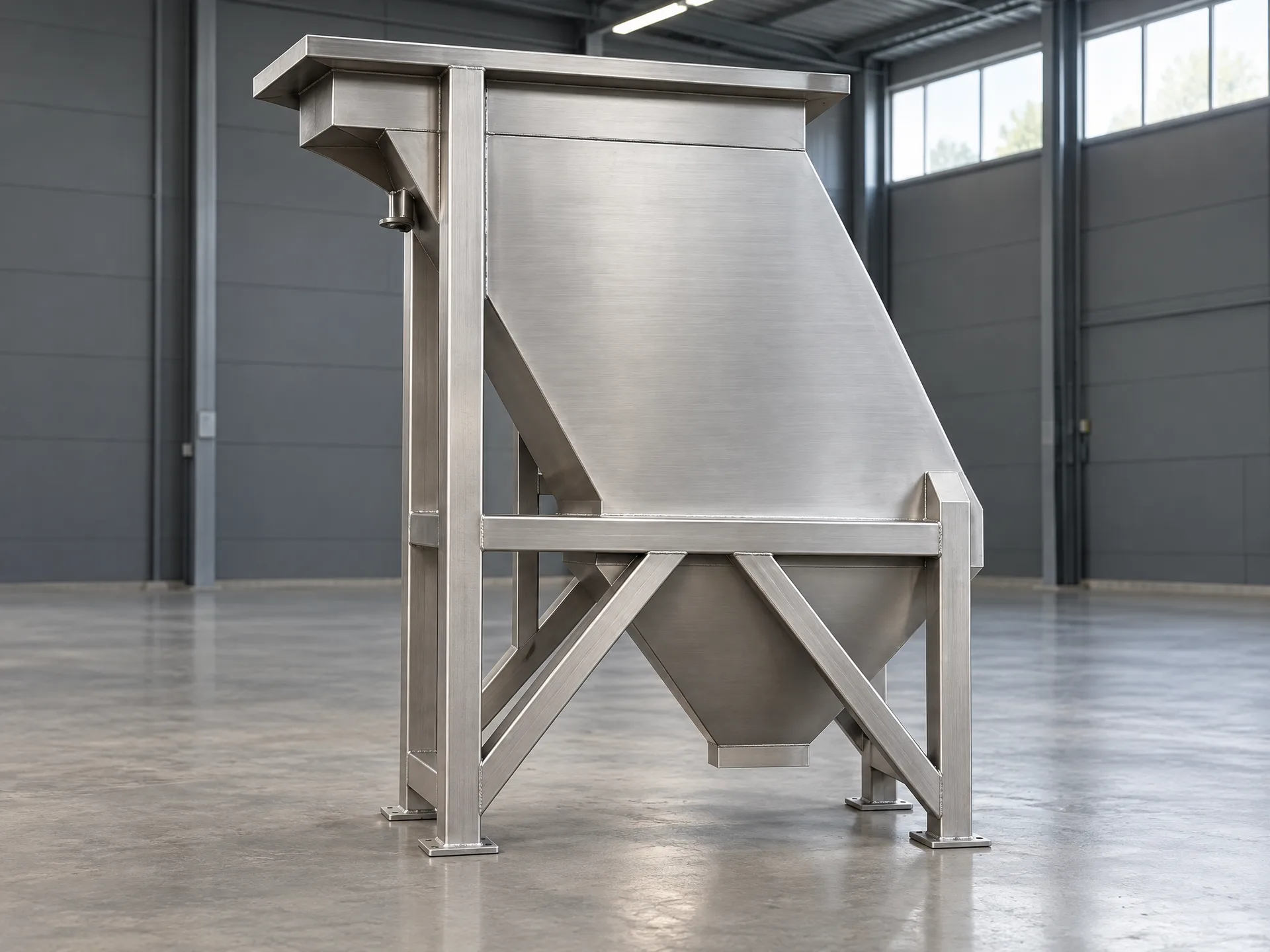
Plate Settler vs. Sedimentation Tank
Enhanced Inclined Settling vs. Plain Settling Basin
A plain sedimentation tank relies on quiescent settling over a large basin area. A plate settler achieves the same removal in far less space by multiplying settling area with inclined plates.
Plain sedimentation tanks are the simplest form of gravity separation — water flows slowly through a basin and solids settle to the floor. They are inexpensive to build but consume large amounts of land and perform poorly on fine or lightly flocculated solids.
A plate settler achieves the same or better effluent quality in up to 80% less footprint, and — with coagulation–flocculation upstream — captures much finer particles.
Side-by-Side Comparison
The Verdict
Where land is unlimited and effluent standards are relaxed, a plain settling basin can suffice. In almost all modern applications — constrained sites, tighter discharge limits, capacity upgrades — the plate settler is the clear engineering choice. Existing sedimentation tanks are also prime candidates for a plate-pack retrofit.
Request an Engineering Assessment
Our engineers will review your application, flow rates, and water quality data to recommend the optimal plate settler configuration.