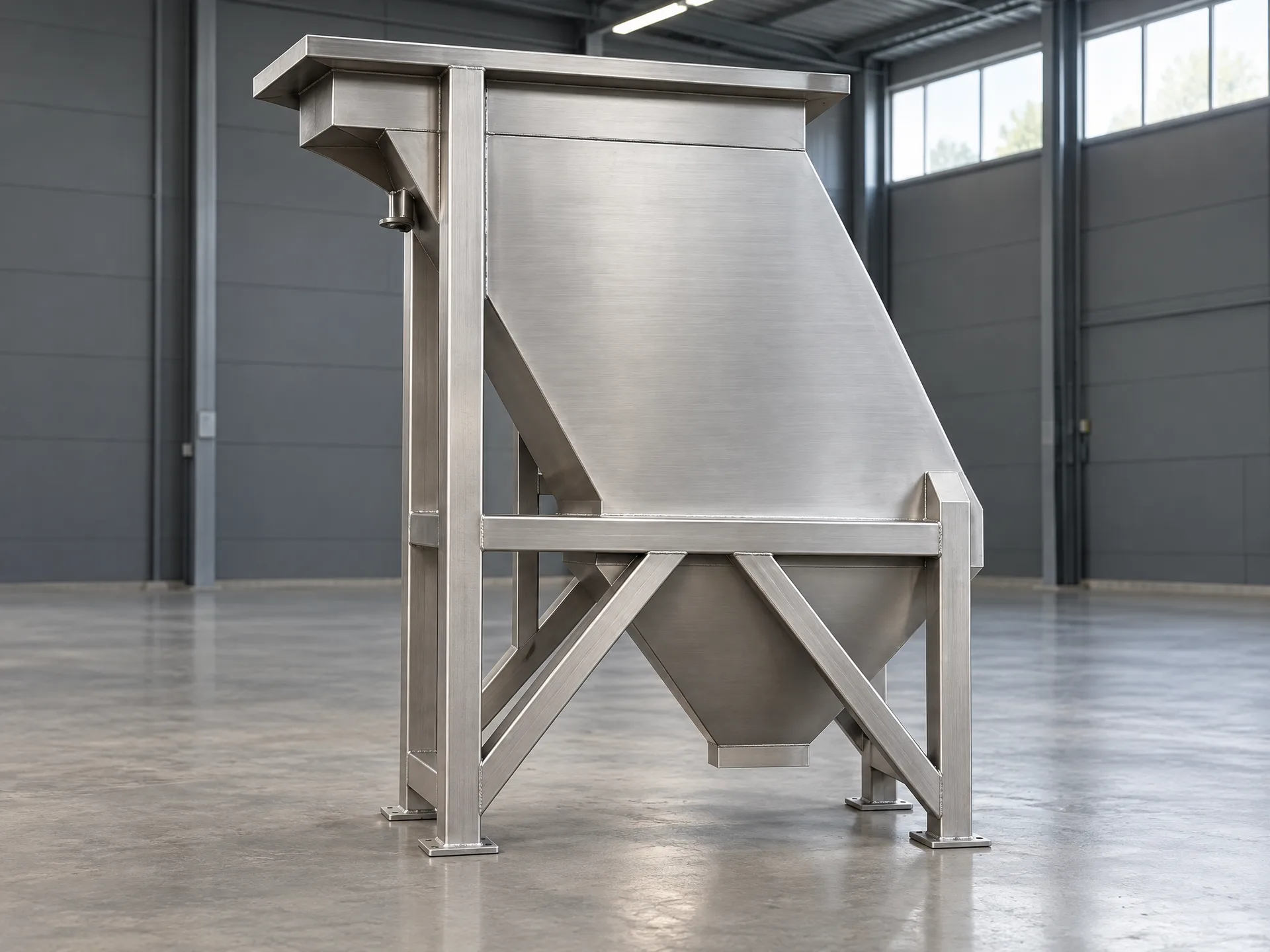
Plate Settler Capacity
What Determines Treatable Flow
The capacity of a plate settler is the flow it can clarify to a target effluent quality — set by the total projected settling area and the achievable surface loading rate.
Plate Settler Capacity
A plate settler’s capacity is not fixed by tank volume but by the projected (horizontal) settling area created by its inclined plates. Because each plate adds effective settling area within a small footprint, a compact unit can clarify flows that would require a very large conventional tank.
Treatable flow is the product of total projected area and the surface loading rate the application can tolerate. Denser, well-flocculated solids settle faster and allow higher loading rates; light or poorly conditioned solids require conservative rates.
Capacity is always stated against an effluent target — a unit rated at a given flow for 30 mg/L TSS may handle more flow if the target is relaxed, or less if polishing to very low turbidity is required.
Q_max = A_projected × SLRQ_max = maximum treatable flow [m³/h]; A_projected = total projected settling area [m²]; SLR = surface loading rate [m/h].
Series Flow Ranges
Free Sizing Check
Try the interactive Plate Settler Sizing Calculator, or send us your flow and water-quality data for a preliminary sizing at no cost.
Key Considerations
Solids Loading
High influent TSS reduces usable capacity as sludge storage and removal become limiting.
Coagulation
Upstream coagulation/flocculation increases floc size and settling velocity, raising capacity.
Temperature
Lower water temperature increases viscosity and reduces settling velocity, lowering capacity.
Related Pages
Request an Engineering Assessment
Our engineers will review your application, flow rates, and water quality data to recommend the optimal plate settler configuration.