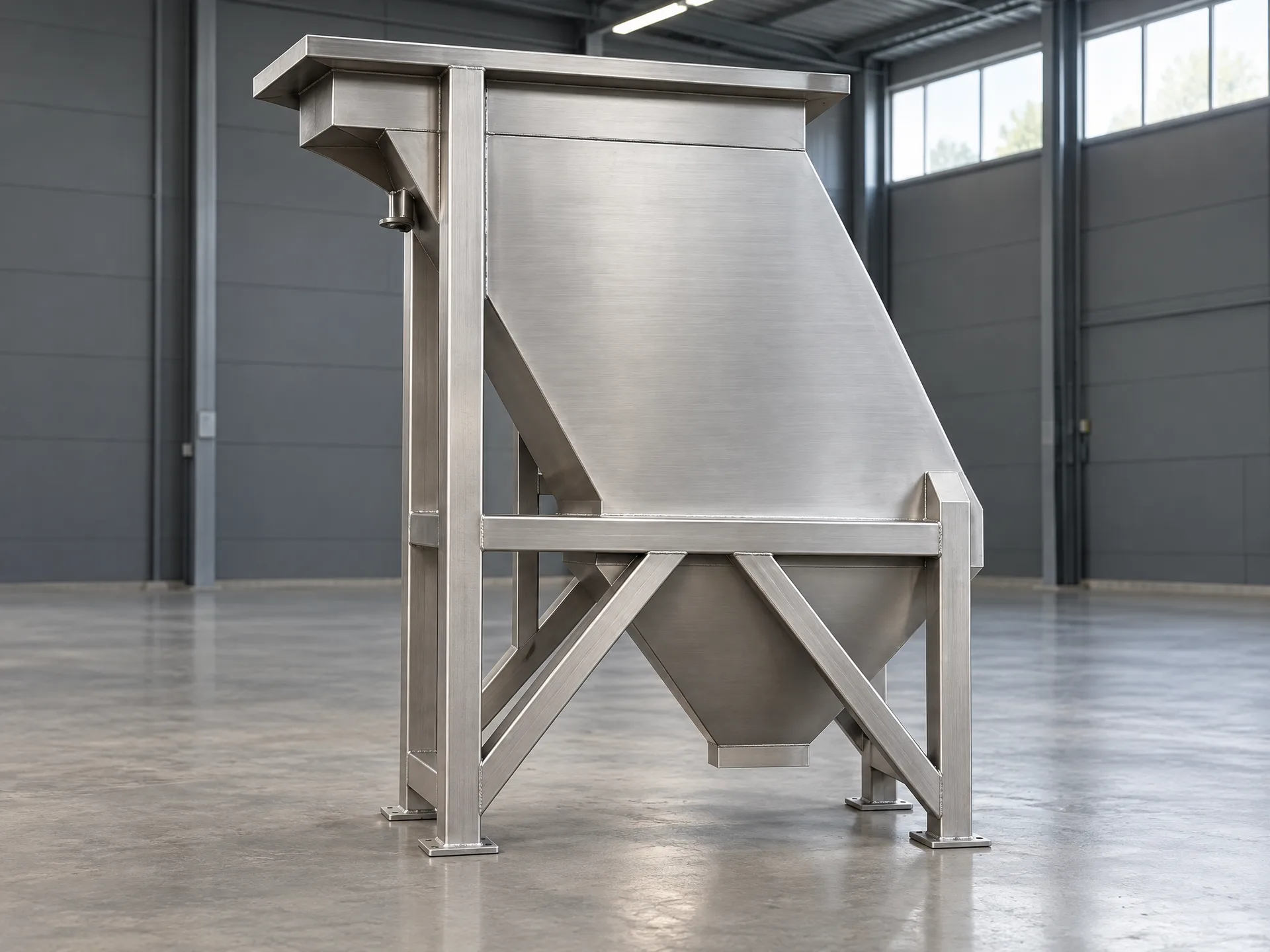
Plate Settler vs. Tube Settler
Inclined Plates vs. Inclined Tube Modules
Both technologies use the inclined-surface (Lamella) principle to increase settling area. They differ in geometry, cleanability, robustness, and suitability for heavier solids loads.
Tube settlers use bundles of small inclined channels (typically 50–80 mm) formed from thin thermoformed sheets. Plate settlers use flat inclined plates with an open channel between them. Both increase projected settling area, but the geometry drives real operational differences.
Tube settlers offer very high area density at low cost and are common in drinking-water clarification. Plate settlers handle higher and more variable solids loads, resist fouling, and — in stainless steel — offer a far longer service life.
Side-by-Side Comparison
The Verdict
For clean water and lightly loaded polishing duties, tube settlers offer excellent area per euro. For wastewater, industrial effluent, and any stream with meaningful or variable solids, the plate settler’s open geometry, cleanability, and stainless-steel durability make it the more robust long-term choice.
Request an Engineering Assessment
Our engineers will review your application, flow rates, and water quality data to recommend the optimal plate settler configuration.