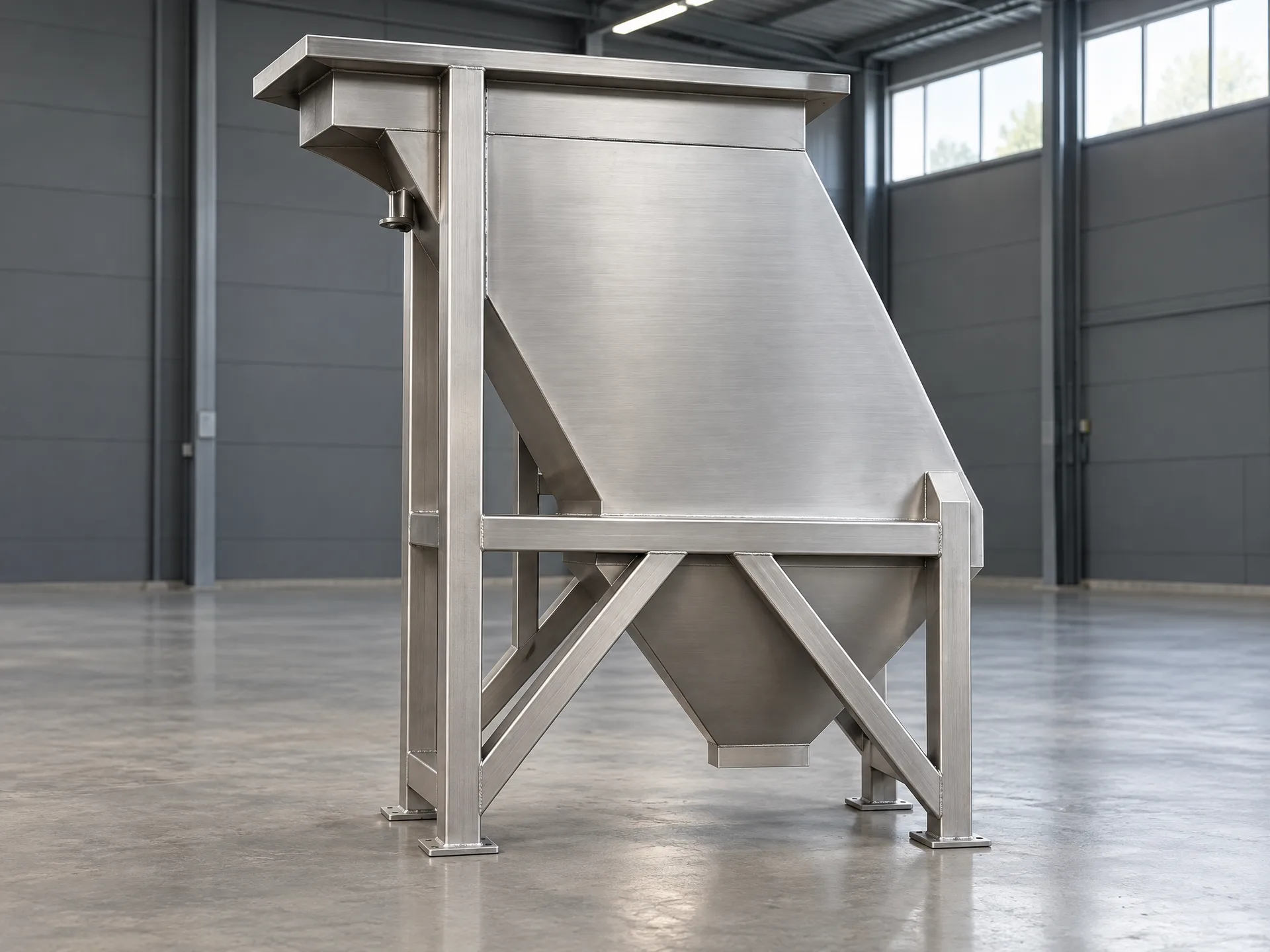
Plate Settler vs. Conventional Clarifier
High-Rate Inclined Settling vs. Horizontal Sedimentation
A conventional circular or rectangular clarifier relies on a single horizontal settling surface. A plate settler multiplies effective settling area with inclined plates — delivering the same clarification in a fraction of the footprint.
Conventional clarifiers separate solids across a single horizontal basin floor. Their capacity is governed by surface overflow rate, so higher flows demand ever-larger tanks. Plate settlers stack dozens of inclined plates within one vessel, so the projected (effective) settling area can be 8–12 times the equipment footprint.
For a new-build or a capacity upgrade, this difference in area efficiency translates directly into civil works, land use, and capital cost.
Side-by-Side Comparison
The Verdict
Where space, speed of installation, or capital cost matter — which is nearly always — the plate settler is the more efficient choice for a given clarification duty. Conventional clarifiers remain well established at very large municipal scale and where existing basins are already in place.
A frequent best-of-both outcome is to retrofit inclined plate packs into an existing conventional clarifier, boosting its throughput without new civil works. See our retrofit solutions for details.
Request an Engineering Assessment
Our engineers will review your application, flow rates, and water quality data to recommend the optimal plate settler configuration.