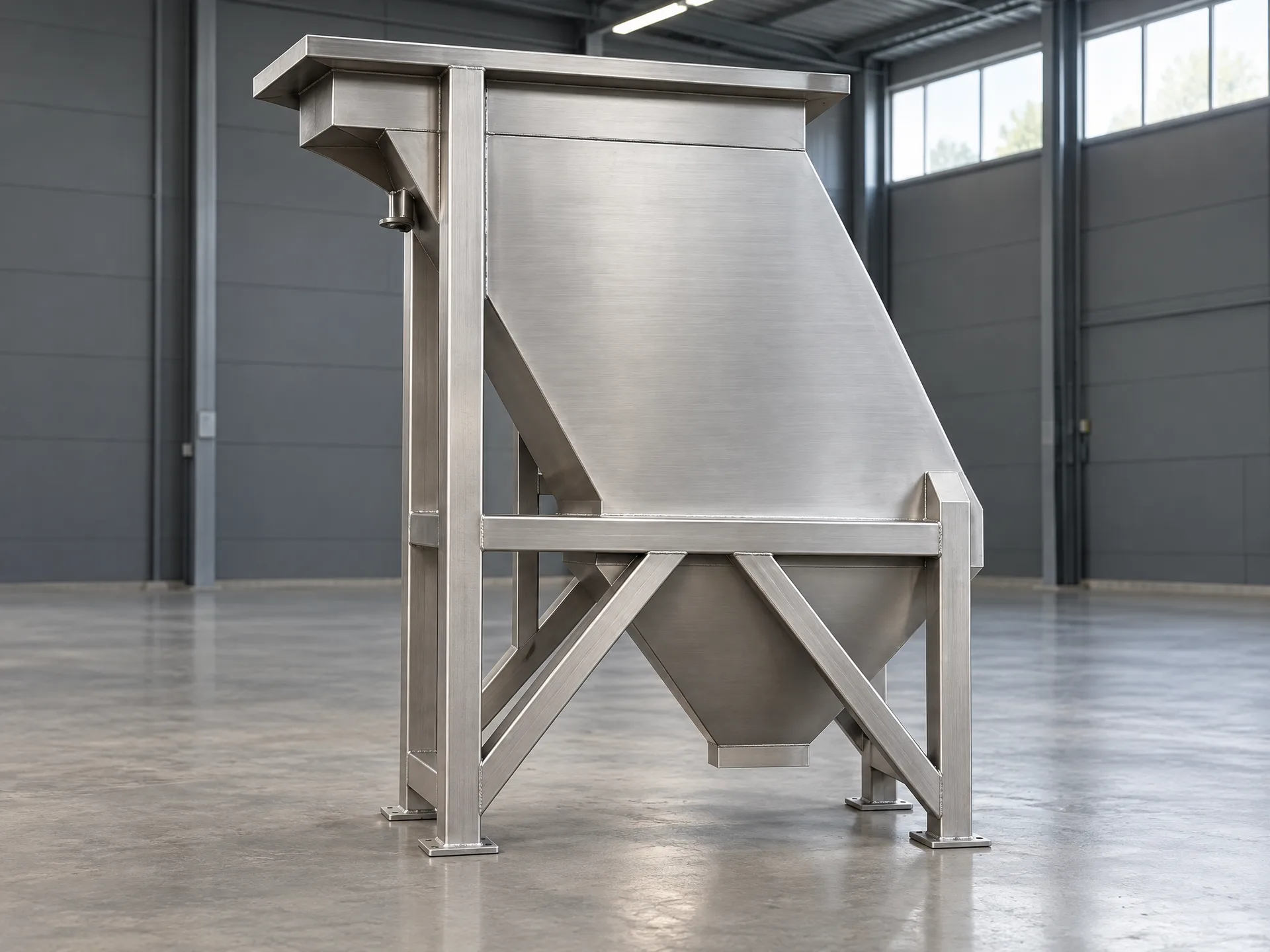
Plate Settler as Membrane Pretreatment
Lower Fouling, Longer Membrane Life
Ultrafiltration and reverse osmosis membranes are sensitive to suspended solids and colloids. A plate settler is an efficient, low-cost pretreatment that protects membrane investment.
Membrane systems demand a low, stable feed SDI (Silt Density Index) and turbidity. Colloids and suspended solids foul membrane surfaces, raising transmembrane pressure, increasing cleaning frequency, and shortening membrane life.
A plate settler with upstream coagulation removes suspended and much colloidal material before the membranes, lowering feed turbidity and SDI. This reduces fouling, extends time between clean-in-place cycles, and protects the far more expensive membrane stage.
For water reuse and desalination pretreatment, clarify-then-membrane trains are a proven, capital-efficient configuration.
Engineering Considerations
Lower SDI & Turbidity
Clarified feed keeps membranes within their fouling limits.
Fewer CIP Cycles
Cleaner feed means longer intervals between chemical cleans.
Protected Investment
Membranes last longer when shielded from solids and colloids.
Request an Engineering Assessment
Our engineers will review your application, flow rates, and water quality data to recommend the optimal plate settler configuration.