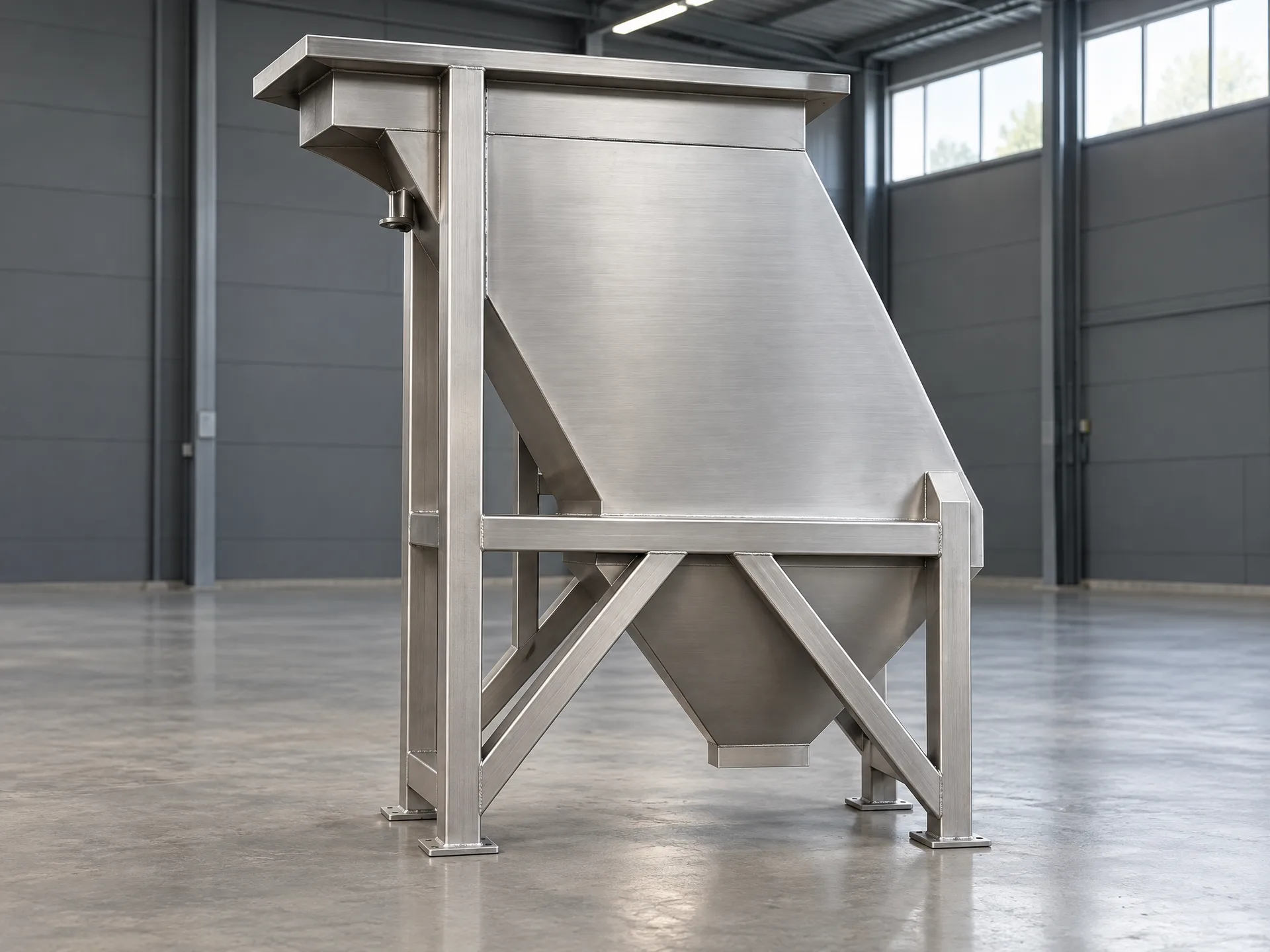
Plate Settler Ahead of Disinfection
Clarity First for Effective Disinfection
UV and chemical disinfection both depend on low turbidity. A plate settler delivers the clarity that lets disinfection work reliably and economically.
Suspended solids shield microorganisms from disinfection. In UV systems, particles absorb and scatter UV light, reducing the effective dose. In chlorination, solids exert oxidant demand and can harbor pathogens. Both mechanisms mean turbidity must be low for reliable disinfection.
A plate settler — usually followed by filtration — reduces turbidity to the low levels disinfection requires, ensuring the target log-reduction is achieved at a reasonable UV dose or chlorine demand.
This is essential for treated-effluent reuse, tertiary municipal treatment, and any discharge with microbiological limits.
Engineering Considerations
UV Transmittance
Low turbidity raises UV transmittance so the design dose is actually delivered.
Lower Oxidant Demand
Removing solids reduces chlorine/oxidant demand and disinfection by-products.
Reliable Compliance
Consistent clarity underpins consistent microbiological compliance.
Request an Engineering Assessment
Our engineers will review your application, flow rates, and water quality data to recommend the optimal plate settler configuration.