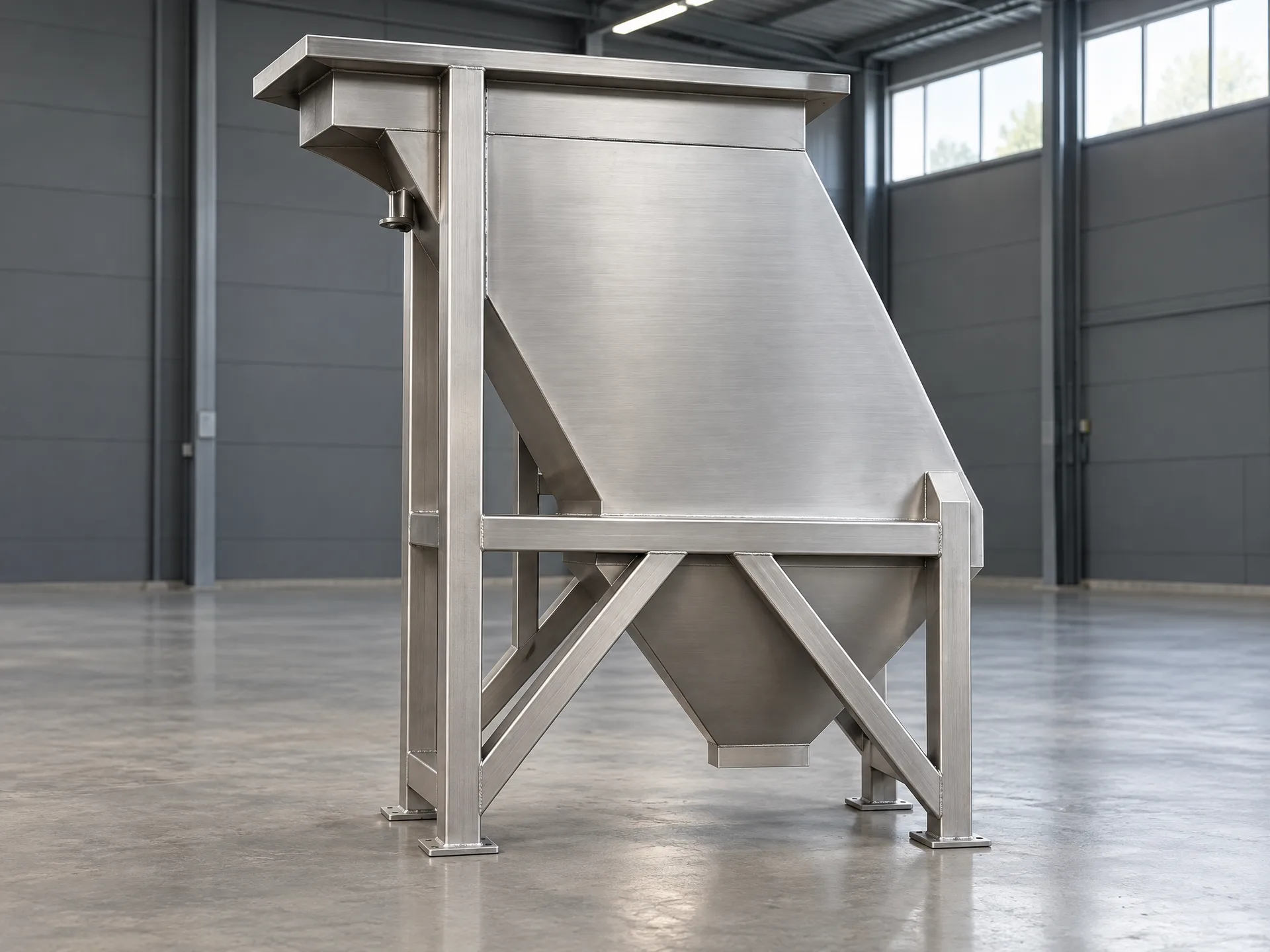
Plate Settler Operation
Running the System Day to Day
Reliable operation comes down to keeping flow within design, conditioning the solids well, controlling the sludge blanket and watching the effluent.
Plate Settler Operation
A plate settler is a low-energy, largely passive unit, but consistent results depend on a few disciplines: steady hydraulics, correct coagulation/flocculation, and disciplined desludging.
Operators should track flow, effluent turbidity/TSS, chemical dose and sludge blanket level. Trends — not single readings — give the earliest warning of drift.
Most performance problems are caught early by simple daily checks and corrected with small adjustments to dose or desludge frequency.
Routine Checks
Procedure
Verify Flow
Confirm flow is within the design envelope; watch for peaks that exceed it.
Check Dosing
Confirm coagulant/flocculant dose and pH are on target.
Monitor Effluent
Record turbidity/TSS; investigate any upward trend.
Manage Sludge
Check blanket level and desludge on schedule or on level.
Log & Trend
Keep a log so drift is visible before it becomes a breach.
Need service or spare parts?
R+F supplies spare plate packs, replacement components and scheduled maintenance support for plate settler and lamella clarifier systems.