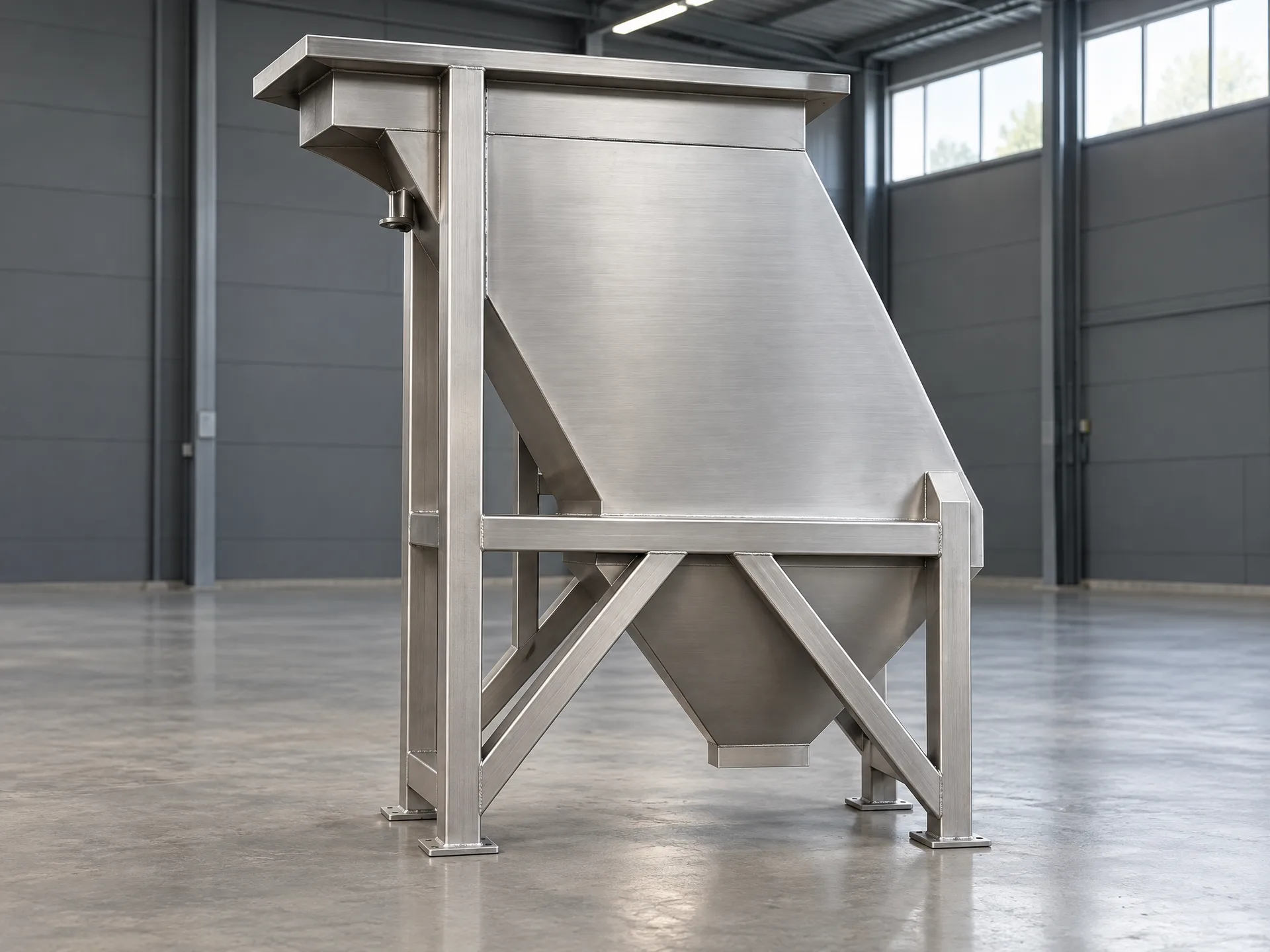
Plate Settler vs. Sand Filter
Clarification vs. Filtration — Complementary, Not Competing
Plate settlers and sand filters address different stages of solids removal. A plate settler removes the bulk of suspended solids; a sand filter polishes the remaining fine particles.
These are not really rivals — they work best together. A plate settler is a clarifier that removes settleable and coagulated solids ahead of filtration. A sand (media) filter is a polishing step that captures the fine residual particles a clarifier leaves behind.
Feeding a sand filter directly with high-TSS water causes rapid blinding and frequent backwash. A plate settler upstream cuts the solids load dramatically, extending filter runs and reducing backwash water.
Side-by-Side Comparison
The Verdict
Use a plate settler as pretreatment and a sand filter as the polishing stage. Together they deliver high-clarity effluent while keeping filter maintenance and backwash volumes low. Specifying a plate settler ahead of filtration is one of the highest-value moves in a treatment train.
Request an Engineering Assessment
Our engineers will review your application, flow rates, and water quality data to recommend the optimal plate settler configuration.