Plate Settler vs. DAF
Gravity Sedimentation vs. Dissolved Air Flotation
Plate settlers remove solids that settle; DAF removes solids that float or can be floated with fine bubbles. The right choice depends on particle density, oil and grease content, and energy priorities.
Dissolved Air Flotation (DAF) saturates water with air under pressure, then releases it to form microbubbles that attach to particles and float them to the surface for skimming. It excels where solids are low-density, oily, or greasy — common in food, beverage, and refinery effluent.
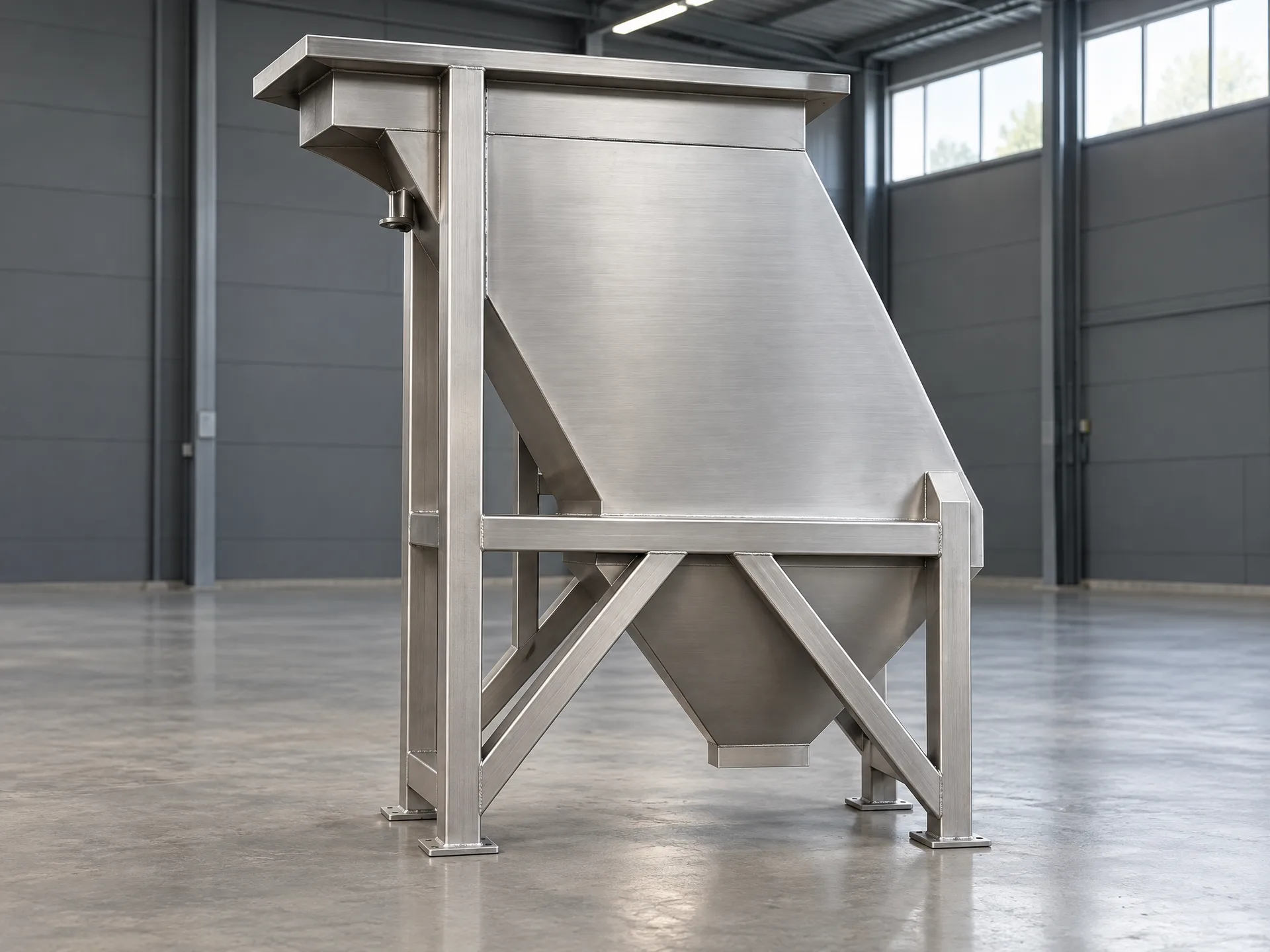
Plate settlers use gravity: dense flocs settle onto inclined plates and slide to a sludge hopper. They are simpler, lower-energy, and ideal for mineral, chemical, and metal-hydroxide solids that settle readily.
Side-by-Side Comparison
The Verdict
Choose a plate settler when solids settle — mineral, chemical, metal-hydroxide, and coagulated municipal solids. Choose DAF when solids float or the stream carries oil, grease, or fats. Many industrial plants use both: DAF for FOG removal followed by a plate settler, or the reverse, depending on the effluent.
R+F can advise which technology — or combination — fits your stream via a pilot trial on your actual water.
Request an Engineering Assessment
Our engineers will review your application, flow rates, and water quality data to recommend the optimal plate settler configuration.