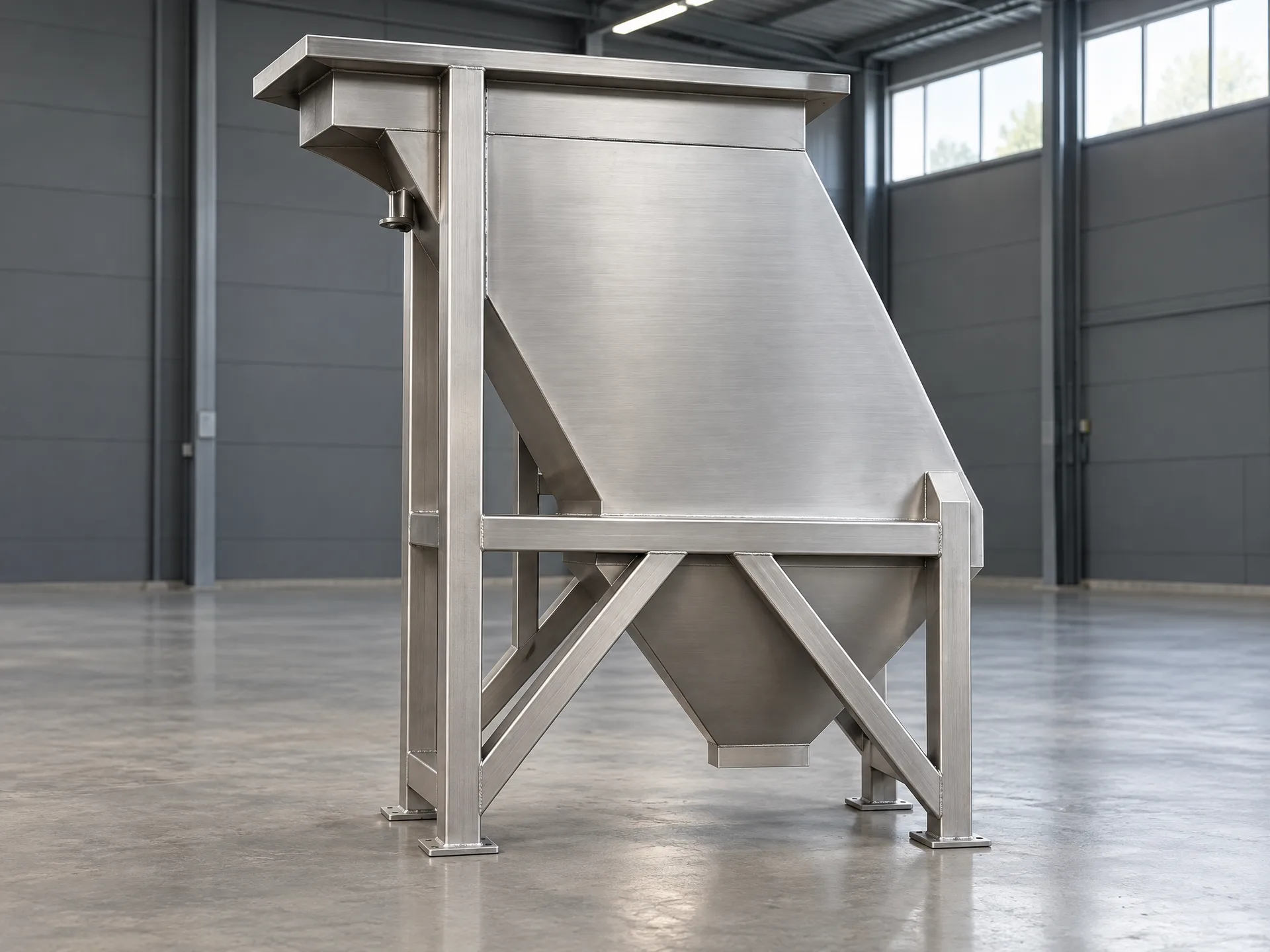
Plate Settler vs. Centrifuge
Low-Energy Gravity Settling vs. Mechanical Separation
Centrifuges apply high g-forces to separate solids mechanically. Plate settlers use gravity. The trade-off is between energy and complexity versus dryness of the separated solids.
A decanter centrifuge spins the stream at high speed to force solids outward, achieving very dry cake and handling difficult, fine, or compressible solids. It is powerful but energy-intensive, mechanically complex, and costly to maintain.
A plate settler achieves clarification with essentially no moving parts in the separation zone and minimal energy. It does not dewater to cake, but it produces clarified effluent and thickened sludge reliably and cheaply.
Side-by-Side Comparison
The Verdict
Choose a plate settler for low-cost, low-energy clarification and sludge thickening. Choose a centrifuge when the goal is maximum cake dryness for disposal or when solids are too fine or compressible to settle. The two are often combined: a plate settler clarifies and thickens, and a centrifuge dewaters the thickened sludge.
Request an Engineering Assessment
Our engineers will review your application, flow rates, and water quality data to recommend the optimal plate settler configuration.