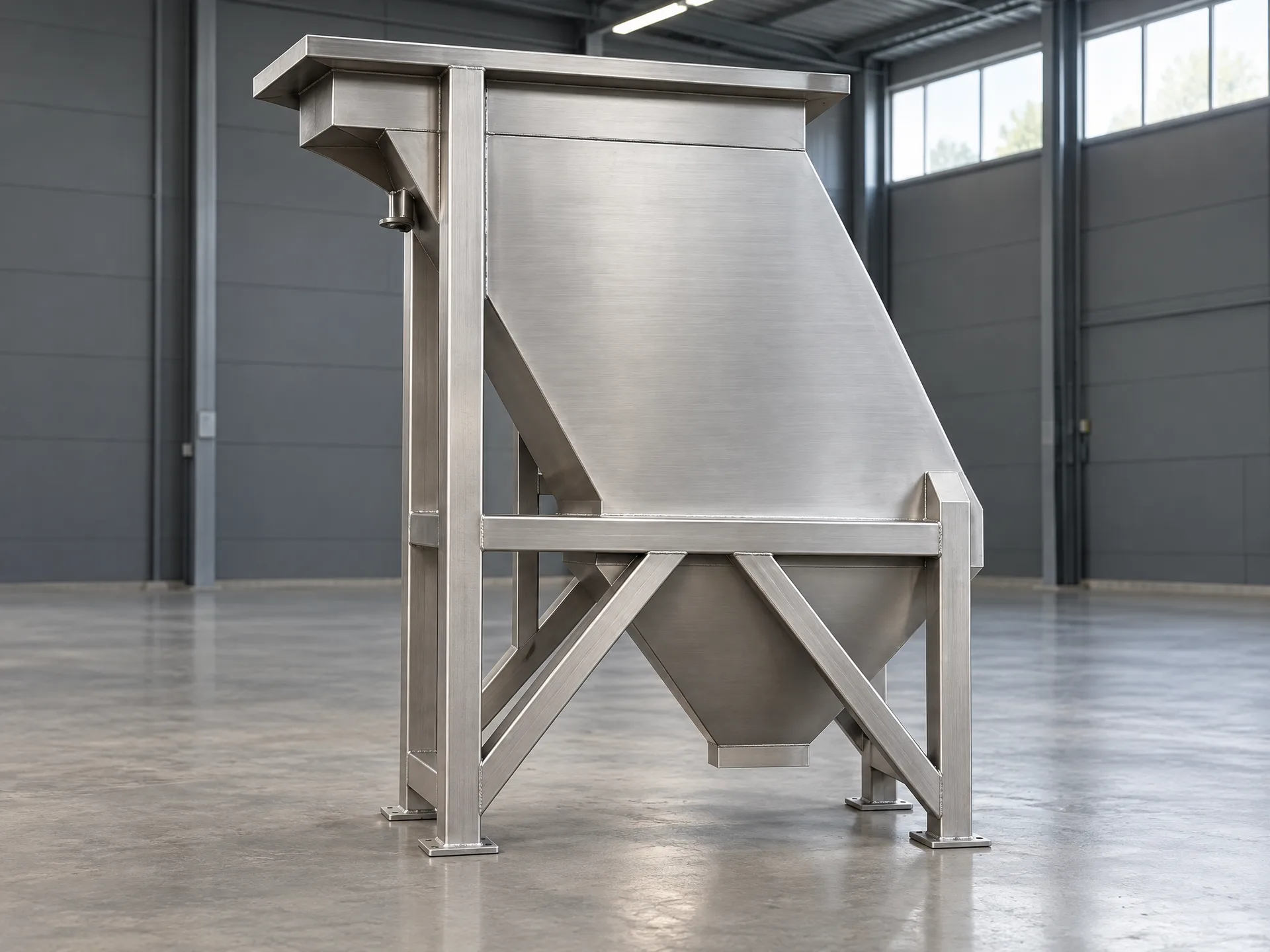
High TSS After Plate Settler
Suspended Solids Above Target
Elevated effluent TSS means solids that should be captured are leaving with the clarified water. The cause is usually overloading, poor conditioning or sludge disturbance.
Understanding the Problem
TSS breakthrough occurs when the mass or size of solids exceeds what the current loading rate and chemistry can capture. Unlike turbidity, high TSS often includes larger, settleable material — pointing to hydraulic or sludge-handling problems.
Check whether the sludge blanket has risen into the plate zone, whether flow exceeds design, and whether coagulation is producing settleable floc. Each leaves distinct evidence.
Confirm the effluent target is realistic for the influent; a plate settler alone may need a downstream filter to reach very low TSS.
Common Symptoms
- ›Effluent TSS above permit / target
- ›Visible solids in the outlet channel
- ›Downstream filters blinding faster
- ›TSS worse during peak flow
Causes & Corrective Actions
Cause
Hydraulic overloading above design flow
Corrective Action
Reduce flow to design; add area or a second unit if the overload is permanent.
Cause
Sludge blanket risen into the plate pack
Corrective Action
Increase desludge frequency; check the sludge removal system and hopper.
Cause
Weak or absent coagulation/flocculation
Corrective Action
Optimise coagulant/flocculant dosing to form settleable floc.
Cause
Short circuiting through the settling zone
Corrective Action
Correct inlet baffling and distribution to eliminate fast flow paths.
Prevention
Still seeing the problem?
Send us your operating data and effluent results. Our process engineers will diagnose the issue and recommend a corrective plan.